 |


 | |  | |  |
 |


Many in the community know about people coming onto tribal land and harvesting out
our plants and roots. Often, when we are sick or preparing for ceremony, our plants
have already been taken by wild crafters. The fact that bundles of sage can be found
for sale in health food stores, book stores and even on the Internet internationally
demonstrates this problem.
Wild crafters are people that work for herbal companies (or sometimes for
themselves). Herbal companies, rather than maintain the expense of managing a large
operation growing plants often will pay people to go out "in the wild" (U.S. and Tribal
lands) and gather the plants for a fee. They usually pay contracted "gatherers" by the
pound.
More and more Tribes are passing laws prohibiting wild crafting or at least have
decided on a permitting process, an effort that we support as part of a Tribal land
preservation strategy.
Green Harvest-Trade Project


Part 2. The flip side of wild crafting
We noticed that the debate surrounding "Invasive" plant problems
always centered on the best way to kill the plants...which herbicides or
insects to introduce seem to be the top choices. The laymans'
description of invasive plants would be; plants not indigenous to this
continent, that have overtaken and crowded out native species or
water ways. In an effort to restore our tribal forests and preserve our
own plant traditions, many tribes want to be rid of the non-native
plants.
However, is poisoning our land, water and sacred sites with
pesticides or new insects the only option? When taking a closer look
at some of these plants we noticed that many of them have ancient
food or medicine histories in their native lands. So, if there is
someone in the world that needs a plant for something, and there is
an existing trade route, why not harvest them out of our lands and
make them available to the people that want and need them, rather
than destroy them? Harvest and trade is traditional commerce.
We are launching projects to help initiate these green jobs and
cottage industries. This is a green job that we consider to be tied to
our traditional trades. Harvesting of this type is a social, community
activity. If tribal members in your community do not want to
participate, agreements can be made directly with the herbal
companies and overseen by tribal members employed on the project.
During the NCAI presentation, we highlighted just four plants that fall
into the "invasive" catagory to demonstrate our idea. Three of them
grow in 46 states, one on 28 states.
Please feel free to download the presentation or contact us with
questions.
We noticed that the debate surrounding "Invasive" plant problems
always centered on the best way to kill the plants...which herbicides or
insects to introduce seem to be the top choices. The laymans'
description of invasive plants would be; plants not indigenous to this
continent, that have overtaken and crowded out native species or
water ways. In an effort to restore our tribal forests and preserve our
own plant traditions, many tribes want to be rid of the non-native
plants.
However, is poisoning our land, water and sacred sites with
pesticides or new insects the only option? When taking a closer look
at some of these plants we noticed that many of them have ancient
food or medicine histories in their native lands. So, if there is
someone in the world that needs a plant for something, and there is
an existing trade route, why not harvest them out of our lands and
make them available to the people that want and need them, rather
than destroy them? Harvest and trade is traditional commerce.
We are launching projects to help initiate these green jobs and
cottage industries. This is a green job that we consider to be tied to
our traditional trades. Harvesting of this type is a social, community
activity. If tribal members in your community do not want to
participate, agreements can be made directly with the herbal
companies and overseen by tribal members employed on the project.
During the NCAI presentation, we highlighted just four plants that fall
into the "invasive" catagory to demonstrate our idea. Three of them
grow in 46 states, one on 28 states.
Please feel free to download the presentation or contact us with
questions.


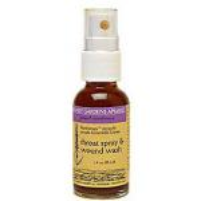
Purple Loosestrife: throat spray, wound wash, eye
wash, liver restoration, regulates blood sugar this
one plant.
wash, liver restoration, regulates blood sugar this
one plant.
known source for Biomass fuel
tons of biomass fuel per acre,
Carrizo Cane/ Arundo: best
known source for Biomass fuel
and paper making. Produces 25
tons of biomass fuel per acre,
twice a year. Edible cooked and
raw, ancient building material
used in home, boat, utensil,
flute and pipe construction.
tons of biomass fuel per acre,
Carrizo Cane/ Arundo: best
known source for Biomass fuel
and paper making. Produces 25
tons of biomass fuel per acre,
twice a year. Edible cooked and
raw, ancient building material
used in home, boat, utensil,
flute and pipe construction.
Sheeps Sorrell: Essiac Tea
ingredient, poultices used for
tumors, juice used to massage
parkinsons patients, edible and
used in salads and hot & sour
soup worldwide.
ingredient, poultices used for
tumors, juice used to massage
parkinsons patients, edible and
used in salads and hot & sour
soup worldwide.


Flower Essences used for stress and 500,000 pounds of Y.S.T. Gourmet
Honey is produced in the U.S. each year.
Honey is produced in the U.S. each year.